What is Plantar Fasciitis? Symptoms, Causes & Treatment (2026 Guide)
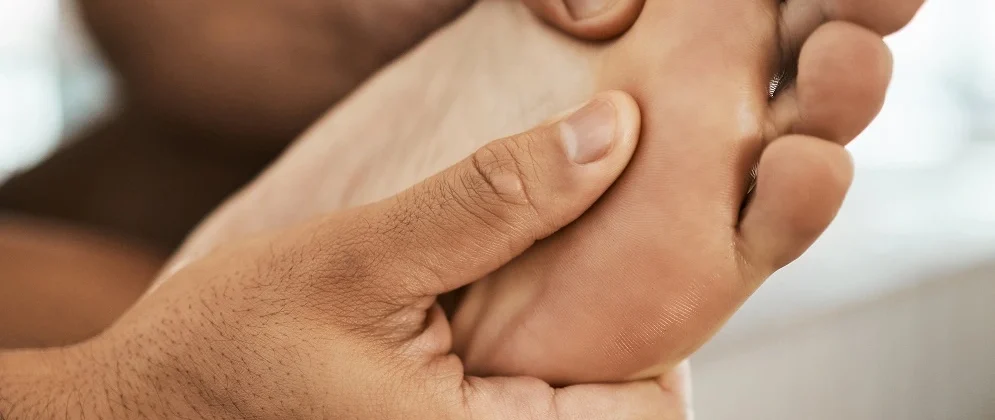
Foot discomfort can quietly take over your daily life—especially when it occurs first thing in the morning. One of the most common reasons behind this pain is Plantar Fasciitis, a disorder that affects millions of individuals worldwide.
If you’ve ever had a stinging pain in your heel when taking your first steps out of bed, this advice is for you.
🦶 What is Plantar Fasciitis?
An inflammation of the plantar fascia, a thick band of tissue that joins your heel bone to your toes, is known as plantar fasciitis.
Your foot arch is supported by this tissue, and frequent tension can cause tiny tears that cause discomfort and stiffness.
⚠️ Common Symptoms
You may be dealing with plantar fasciitis if you experience:
- Heel pain that is sharp
- Pain that gets worse in the morning
- Discomfort from extended standing
- Pain following (rather than during) exercise
- Tightness in the arch of the foot
👉 The pain often decreases as you walk, but can return later in the day.
👉 “If your pain is worst when you wake up, read our detailed guide on morning heel pain and why it happens.”
🔍 What Causes Plantar Fasciitis?
Several factors can lead to this condition:
1. Prolonged Standing
Jobs that require standing for long hours (teachers, workers, shopkeepers) put constant pressure on your feet.
2. Flat Feet or High Arches
Improper foot structure affects how weight is distributed.
3. Poor Footwear
Shoes without proper support increase strain on your plantar fascia.
4. Excess Weight
More body weight = more pressure on your heels.
5. Aging
It’s most common between ages 40–60.
👉 “Foot pain can have multiple causes—here are the most common ones you should know.”
🧪 How is It Diagnosed?
Doctors usually diagnose plantar fasciitis through:
- Physical examination
- Pain location analysis
- Sometimes imaging (X-ray or MRI if needed)
🛠️ Effective Treatments
The good news? Most cases can be treated without surgery.
✅ 1. Rest & Activity Adjustment
Avoid activities that worsen the pain.
✅ 2. Stretching Exercises
Simple foot and calf stretches can reduce tension.
✅ 3. Ice Therapy
Applying ice helps reduce inflammation.
✅ 4. Supportive Footwear
Shoes with proper arch support are essential.
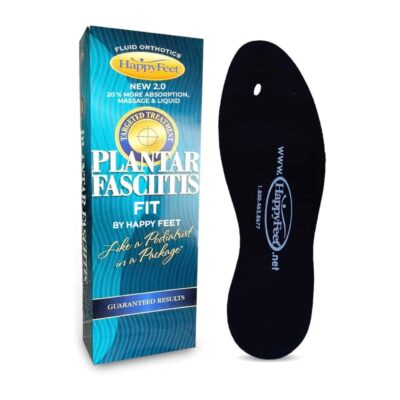
✅ 5. Medicated Insoles (Highly Recommended)
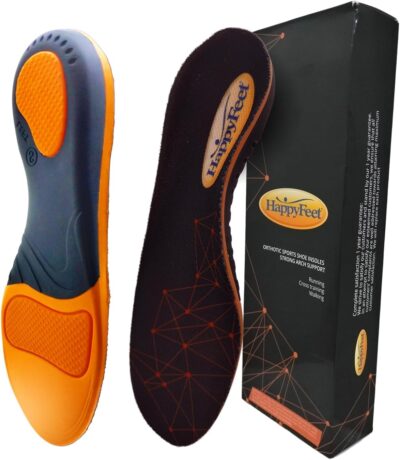
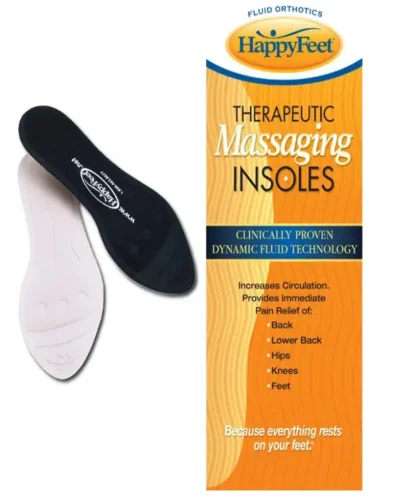
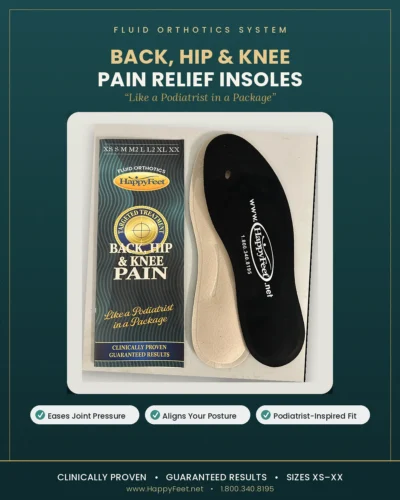
One of the most effective ways to relieve pressure is by using medicated insoles—especially liquid-filled or fluid orthotics.
These insoles:
- Absorb shock
- Reduce heel pressure
- Improve weight distribution
- Provide all-day comfort
👉 If you’re struggling with ongoing heel pain, switching to high-quality liquid insoles can make a noticeable difference within days.
⏳ How Long Does It Take to Heal?
With proper care, most people recover within:
- 2 to 6 weeks (mild cases)
- 6 to 12 weeks (moderate cases)
Consistency is key.
❌ Common Mistakes to Avoid
- Ignoring early symptoms
- Wearing flat or unsupportive shoes
- Standing too long without support
- Delaying treatment
❓ Frequently Asked Questions
Is plantar fasciitis permanent?
No, it’s treatable and often temporary with proper care.
Can I walk with plantar fasciitis?
Yes, but avoid excessive strain and use supportive insoles.
Do insoles really help?
Yes—especially shock-absorbing, medicated insoles, which reduce pressure on the heel.
🟢 Final Thoughts
Plantar fasciitis may initially cause minor discomfort, but if left untreated, it can interfere with your everyday activities and range of motion.
Early intervention is crucial; with the right insoles, supportive shoes, and proper care, you can recover more quickly and avoid pain.
👉 Ready to Relieve Your Foot Pain?
Consider switching to therapeutic liquid-filled insoles made for optimal comfort and support if you’re sick of your heels slowing you down.