
Why Your Heel Pain Is Worse in the Morning (And How to Fix It)
When you walk for the first time in the morning, do you experience a sharp, stabbing pain in your heel?
You’re not by yourself. This is one of the most prevalent symptoms of plantar fasciitis, and the first step in treating it is figuring out why it occurs.
👉 “Morning heel pain is often linked to Plantar Fasciitis—learn more about its symptoms and causes in our complete guide.”
🦶 Why Does Heel Pain Feel Worse in the Morning?
It might seem strange—your feet were resting all night, so why does it hurt the most when you wake up?
Here’s what’s really happening:
🔍 1. Your Foot Heals Overnight (But Tightens)
While you sleep, your plantar fascia (the tissue under your foot) starts to heal and tighten.
When you suddenly stand up:
- The tissue stretches quickly
- Micro-tears reopen
- Pain hits instantly
👉 That’s why those first few steps feel the worst.
🔍 2. Lack of Movement Causes Stiffness
During sleep, your feet stay in a fixed position for hours.
This leads to:
- Reduced blood flow
- Muscle stiffness
- Tight ligaments
So when you move again, your foot isn’t ready for the pressure.
🔍 3. Sudden Pressure on the Heel
When you get out of bed, your heel takes your full body weight immediately.
If your foot lacks support, this pressure:
- Irritates the heel
- Increases inflammation
- Triggers sharp pain
⚠️ Common Conditions Linked to Morning Heel Pain
Morning heel pain is often linked to:
- Plantar Fasciitis
- Heel spurs
- Flat feet
- Tight calf muscles
👉 But plantar fasciitis is the most common cause.
👉 “Heel pain isn’t the only issue—discover other common causes of foot pain you shouldn’t ignore.”
🛠️ How to Fix Morning Heel Pain
The good news? You can reduce or even eliminate this pain with simple steps.
✅ 1. Stretch Before You Get Out of Bed
Before standing:
- Gently stretch your foot
- Flex your toes upward
- Rotate your ankle
👉 This prepares your foot for movement.
✅ 2. Don’t Walk Barefoot
Walking barefoot—especially on hard floors—makes things worse.
Instead:
- Wear supportive footwear immediately
- Use cushioned slippers or insoles
✅ 3. Use Ice Therapy
Apply ice to your heel for 10–15 minutes after waking up to reduce inflammation.
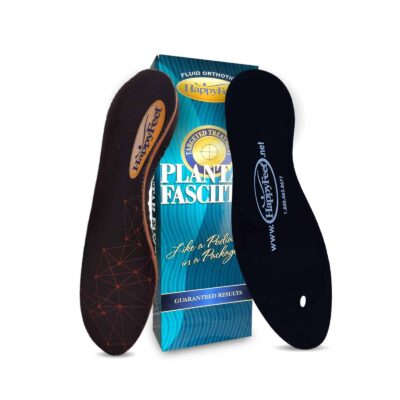
✅ 4. Wear Supportive Insoles (Game-Changer)
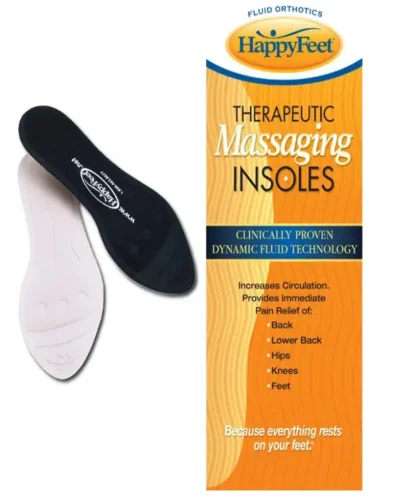
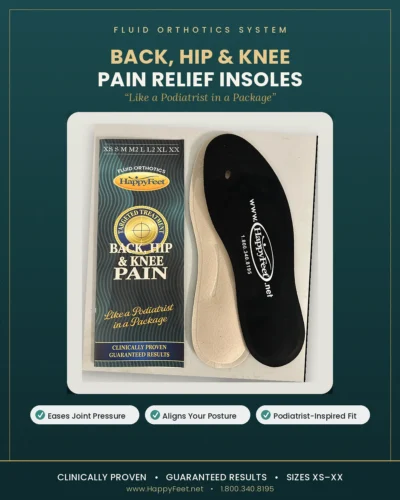
One of the most effective solutions is using medicated insoles, especially:
- Liquid-filled insoles
- Fluid orthotics
These help by:
- Absorbing shock when you step
- Reducing pressure on the heel
- Supporting your arch properly
👉 Many people notice significant relief within days after switching to the right insoles.
✅ 5. Stretch Daily (Consistency Matters)
Focus on:
- Calf stretches
- Foot arch stretches
Doing this daily can prevent the pain from returning.
❌ Mistakes That Make It Worse
Avoid these common habits:
- Jumping out of bed too quickly
- Wearing flat or unsupportive shoes
- Ignoring early pain
- Standing for long periods without support
⏳ How Long Until You See Improvement?
With proper care:
- Mild cases improve in 1–2 weeks
- Moderate cases take 3–6 weeks
👉 The key is consistency + proper support.
❓ FAQs
Is morning heel pain serious?
Not always—but if it continues, it should be treated early to avoid worsening.
Should I walk through the pain?
No. Reduce strain and use proper support to avoid further damage.
Do insoles really help morning pain?
Yes—especially shock-absorbing insoles, which reduce the impact of those first steps.
🟢 Final Thoughts
If your heel pain is worst in the morning, your body is giving you a clear signal—your feet need better support and care.
Ignoring it can make things worse, but the right steps—especially using high-quality medicated insoles—can bring fast and lasting relief.
👉 Take the First Step Toward Pain-Free Mornings
If you’re tired of that first-step pain, it might be time to upgrade your footwear support with liquid-filled insoles designed for maximum comfort and shock absorption.