

How Foot Pain Affects Your Daily Life (And How to Fix It)
Many times, foot pain is written off as a small annoyance. Many believe it’s just a typical aspect of growing older, standing too much, or leading a hectic life.
In actuality, foot discomfort can impact almost every facet of your everyday life, including your ability to walk, work, sleep, and exercise. If not addressed, conditions like plantar fasciitis, flat feet, and overuse injuries can progressively make daily tasks uncomfortable.
Understanding the effects of persistent foot pain and treating the underlying cause will help you regain comfort, movement, and self-assurance.
🦶 Why Foot Health Matters
The base of your body is your feet. They help you stay balanced and stable, support your whole weight, and absorb shock with each step.
The consequences of poor foot function frequently go beyond the feet themselves. Your ability to stand, walk, and move might be affected by pain and bad foot mechanics, which may result in lower back, hip, and knee pain.
🚶 Walking Becomes More Difficult
Walking is something most people take for granted—until every step becomes painful.
Common symptoms include:
- Heel pain
- Arch pain
- Burning sensations
- Foot fatigue
- Tenderness when walking
Many people unintentionally alter their gait to avoid pain as discomfort grows. The body’s other joints and muscles may experience more strain as a result of this changed stride.
Plantar fasciitis is one of the most frequent reasons of persistent heel discomfort. If you’ve been having excruciating pain after periods of rest or as you take your first steps in the morning, check out our tutorial on “What is Plantar Fasciitis? “Symptoms, Causes & Treatment” offers a thorough description of the illness and practical management techniques.
💼 Foot Pain Can Reduce Productivity at Work
For people who spend long hours on their feet, foot pain can become a daily struggle.
Workers often report:
- Increased fatigue
- Reduced focus
- Frequent rest breaks
- Lower productivity
- End-of-day soreness
Nurses, teachers, retail workers, warehouse workers, restaurant employees, and factory workers are especially likely to experience this.
Long periods of standing put constant strain on the joints, arches, and heels. Read our article, “Can Standing All Day Damage Your Feet?” to learn how prolonged standing impacts foot health and how to avoid long-term issues if your employment needs you to stand for extended periods of time.

🏃 It Can Limit Exercise and Physical Activity
Exercise plays a crucial role in maintaining overall health, but foot pain often discourages people from staying active.
Activities such as:
- Walking
- Running
- Hiking
- Sports
- Gym workouts
may become difficult or uncomfortable.
Reduced activity levels can lead to weight gain and decreased fitness, which puts additional strain on the foot. This sets up a vicious cycle in which discomfort causes inaction, which exacerbates symptoms.
It’s critical to identify the underlying source of your suffering. Many of the diseases that could be causing persistent foot pain are examined in our article “7 Common Causes of Foot Pain You Shouldn’t Ignore“.
🌙 Foot Pain Can Affect Sleep
Many people don’t realize that foot pain can interfere with sleep quality.
Persistent discomfort may:
- Make it difficult to fall asleep
- Cause nighttime aching
- Lead to restless sleep
- Reduce overall recovery
After periods of relaxation, the pain becomes particularly apparent for many people. Our article “Why Your Heel Pain Is Worse in the Morning (And How to Fix It)” can be especially useful if you’ve ever had severe heel pain when getting out of bed.
🦵 It Can Lead to Knee, Hip, and Back Pain
Your body functions as a connected system. When your feet hurt, other parts of your body often compensate.
Over time, poor foot mechanics can contribute to:
- Knee pain
- Hip discomfort
- Lower back pain
- Postural problems
- Muscle imbalances
Addressing foot issues early can help prevent secondary pain from developing elsewhere in the body.
😟 Foot Pain Can Affect Your Mood and Quality of Life
Living with chronic foot pain isn’t just physically challenging—it can also affect emotional well-being.
Many people experience:
- Frustration
- Reduced motivation
- Stress
- Decreased enjoyment of activities
- Lower overall quality of life
When simple activities become painful, it can have a significant impact on both physical and mental health.
🔍 Common Causes of Foot Pain
Foot pain can stem from several different causes, including:
Plantar Fasciitis
One of the leading causes of heel pain, plantar fasciitis occurs when the tissue supporting the arch of the foot becomes inflamed.
Flat Feet
Flat feet can alter the way weight is distributed throughout the body, increasing stress on the feet and lower limbs. If you’re unsure whether your foot structure may be contributing to your symptoms, our article “Flat Feet vs Normal Feet – What’s the Difference?” explains the signs, symptoms, and treatment options.
Poor Footwear
Shoes lacking proper support can place excessive strain on the feet and increase the risk of injury.
Prolonged Standing
Standing for long periods without adequate support can contribute to inflammation, fatigue, and chronic pain.
Tight Muscles and Tendons
Limited flexibility in the calves and feet can increase tension and place additional strain on the plantar fascia.
🛠️ How to Fix Foot Pain
While treatment depends on the underlying cause, several strategies can help most people find relief.
✅ Wear Supportive Footwear
Choose shoes that provide:
- Proper arch support
- Cushioning
- Stability
- Shock absorption
Avoid worn-out footwear and shoes that offer little support.
✅ Use Medicated Insoles
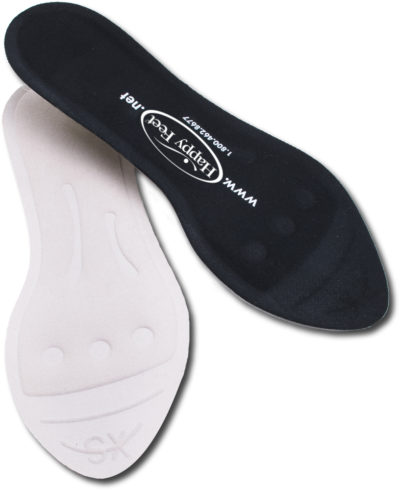
Supportive insoles are one of the simplest and most effective ways to improve foot comfort.
Benefits include:
- Better pressure distribution
- Reduced heel stress
- Improved shock absorption
- Enhanced comfort during daily activities
Liquid-filled insoles and fluid orthotics are particularly beneficial for people who spend long hours standing, walking, or dealing with conditions such as plantar fasciitis.


✅ Stretch Regularly
Daily stretching can improve flexibility and reduce tension in the muscles and tendons that support your feet.
Focus on:
- Calf stretches
- Foot arch stretches
- Toe mobility exercises
✅ Allow Time for Recovery
Rest is essential for healing. Giving your feet time to recover can reduce inflammation and prevent symptoms from worsening.
✅ Address Problems Early
Many foot conditions become more difficult to treat when ignored. Early intervention often leads to faster recovery and better long-term outcomes.
❓ Frequently Asked Questions
Can foot pain affect other parts of the body?
Yes. Foot problems can change the way you walk and stand, potentially leading to knee, hip, and back pain.
Is daily foot pain normal?
No. Persistent foot pain is a sign that something needs attention and should not be ignored.
Do insoles really help with foot pain?
Yes. High-quality insoles can improve support, reduce pressure, and enhance comfort throughout the day.
🟢 Final Thoughts
Much more is impacted by foot pain than just your feet. It may affect your capacity to work, exercise, sleep, and engage in daily activities.
The good news is that with the right support, stretching, appropriate footwear, and prompt treatment, the majority of common causes of foot discomfort may be effectively treated.
You may continue to be active, comfortable, and pain-free for many years to come by taking action now.
👉 Take the First Step Toward Relief
If foot pain is affecting your daily routine, supportive liquid-filled insoles can help reduce pressure, improve comfort, and provide the support your feet need throughout the day.