
How to Relieve Plantar Fasciitis at Home: 10 Proven Remedies That Work
You may have plantar fasciitis if you wake up with excruciating heel pain or find it difficult to walk comfortably after prolonged sitting.
Fortunately, most cases of plantar fasciitis can be effectively treated at home with a combination of supportive footwear, stretching, and lifestyle modifications. Simple daily routines can often greatly enhance mobility and reduce discomfort without the need for invasive therapies.
In this guide, we’ll explore 10 proven home remedies that can help relieve plantar fasciitis and support your recovery.
🦶 What Is Plantar Fasciitis?
When the plantar fascia, a thick band of tissue that connects your heel bone to your toes, gets inflamed from repeated stress, it is known as plantar fasciitis.
Read our comprehensive guide on What Is Plantar Fasciitis? if you’re not familiar with this ailment or would like to learn more about its symptoms and causes. Before beginning treatment, we go over all the information you need to know in Symptoms, Causes & Treatment.
✅ 1. Stretch Before Taking Your First Steps
Stretching your feet before getting out of bed is one of the easiest ways to lessen morning heel pain.
Try these mild motions:
- For 20 to 30 seconds, bring your toes closer to your shin.
- Turn your ankles in both directions.
- Give your foot’s bottom a gentle massage.
These exercises lessen the abrupt tension that frequently results in excruciating pain and prepare the plantar fascia for movement.
Our article Why Your Heel Pain Is Worse in the Morning (And How to Fix It) explains why your heel aches the most during your first steps every morning and provides more advice on how to lessen morning discomfort.
✅ 2. Apply Ice to Reduce Inflammation
One of the simplest home remedies for plantar fasciitis is cold therapy.
After an exercise or at the end of the day, apply an ice pack on your heel for 15 to 20 minutes.
Rolling your foot over a bottle of icy water for a few minutes is another useful method. This helps relieve inflammation by combining cold therapy with mild massage.
✅ 3. Wear Supportive Shoes at All Times
The plantar fascia is further stressed when walking barefoot on hard floors.
Instead, put on supportive footwear that has:
- Strong arch support
- Heels with cushions
- Soles that are stable
Supportive footwear can significantly improve your recuperation even at home.
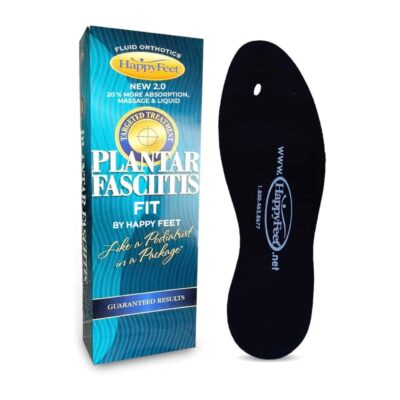
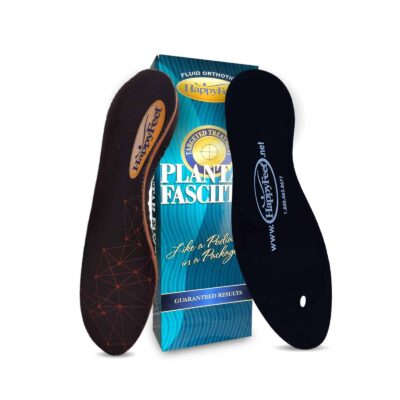
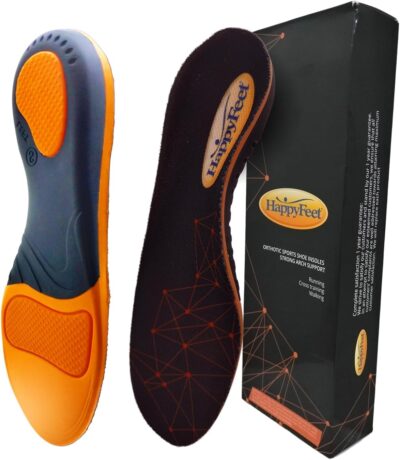
✅ 4. Use Medicated Insoles
Supportive medicated insoles are one of the best ways to lessen the strain on the plantar fascia.
Fluid orthotics and premium liquid-filled insoles assist by:
- Shock absorption
- Encouraging the natural arch
- Evenly distributing body weight
- lessening the heel’s pressure
After switching to properly fitted insoles, many people report feeling more comfortable within a few days.
✅ 5. Stretch Your Calf Muscles Daily
Tension on the plantar fascia is increased by tight calf muscles.
Two or three times a day, basic calf stretches can:
- Boost your adaptability
- Diminish heel discomfort
- Boost the range of motion in your ankles
- Reduce the strain on the plantar fascia
Intensity is not as crucial as consistency.
✅ 6. Avoid Standing for Long Periods
Try to take quick movement breaks whenever you can if your job needs you to stand for extended periods of time.
Continuous standing slows recuperation by repeatedly straining the plantar fascia and heel.
Can Your Feet Get Damaged by Standing All Day? is our guide if your profession requires you to stand for extended periods of time. emphasizes the importance of wearing supportive shoes and taking regular pauses to safeguard your feet.
✅ 7. Massage the Bottom of Your Foot
You may increase circulation and ease tense muscles by massaging the arch of your foot.
You may utilize:
- Your hands
- A ball for massage
- A tennis ball
- A bottle of frozen water
After extended durations of standing or walking, a gentle massage is especially beneficial.
✅ 8. Maintain a Healthy Weight
Your feet are under more pressure with each additional pound of body weight.
Long-term foot health can be enhanced by maintaining a healthy weight, which also lessens strain on the plantar fascia.
✅ 9. Identify the Root Cause
Although it is frequently the cause of foot pain, plantar fasciitis is not the only one.
Discomfort can also be caused by ailments including heel spurs, flat feet, tight muscles, and inappropriate footwear.
Our guide, “Seven Typical Reasons for Foot Pain You Shouldn’t Disregard,” can help you better understand the potential causes of your pain if you’re not sure what’s causing it.
Similarly, individuals with fallen arches frequently put more tension on the plantar fascia. Read Flat Feet vs. Normal Feet: What’s the Difference if this seems familiar to discover how your total foot health is impacted by the structure of your feet.
✅ 10. Be Patient and Stay Consistent
Healing takes time, yet many individuals anticipate results right away.
Most mild to severe instances go better in a few weeks with regular stretching, supportive shoes, medicinal insoles, and less strain.
The secret is to follow your treatment plan rather than giving up as soon as the pain starts to lessen.
❌ Common Mistakes to Avoid
If you wish to recuperate more quickly, stay away from these habits:
- Walking over rough terrain without shoes
- Ignoring pain in the heels
- Putting on worn-out footwear
- Not stretching every day
- Standing without support for extended periods of time
Many of these errors increase the likelihood of recurrent pain and poor healing. These mistakes are explained in more detail in our article, “The Top 10 Mistakes in Handling Foot Pain” and you can learn how to prevent them.
❓ Frequently Asked Questions
Is it possible for plantar fasciitis to recover without surgery?
Indeed. Conservative therapies including stretching, medicated insoles, supportive shoes, and activity adjustment help the majority of patients recover.
How much time does it take for plantar fasciitis to heal?
While more serious cases may take several months to resolve, mild cases may do so in a matter of weeks. Treatment must be consistent.
Do liquid-filled insoles help people with plantar fasciitis?
Indeed. For many patients with plantar fasciitis, high-quality liquid-filled insoles are a great choice since they improve weight distribution, lessen heel pressure, and absorb shock.
🟢 Final Thoughts
You don’t have to endure discomfort all the time if you have plantar fasciitis.
Your recuperation can be greatly improved by making small adjustments like stretching frequently, wearing supportive shoes, using medicinal liquid-filled insoles, and avoiding needless strain.
You may resume walking, working, and enjoying your regular activities more comfortably the sooner you start taking care of your feet.
👉 Encourage Every Action You Take
Our liquid-filled prescription insoles are made to lower heel pressure, absorb shock, and offer all-day support for healthier, happier feet if you’re seeking additional comfort while recuperating from plantar fasciitis.